.png)
Preparing Commercial Buildings for the Future of Energy
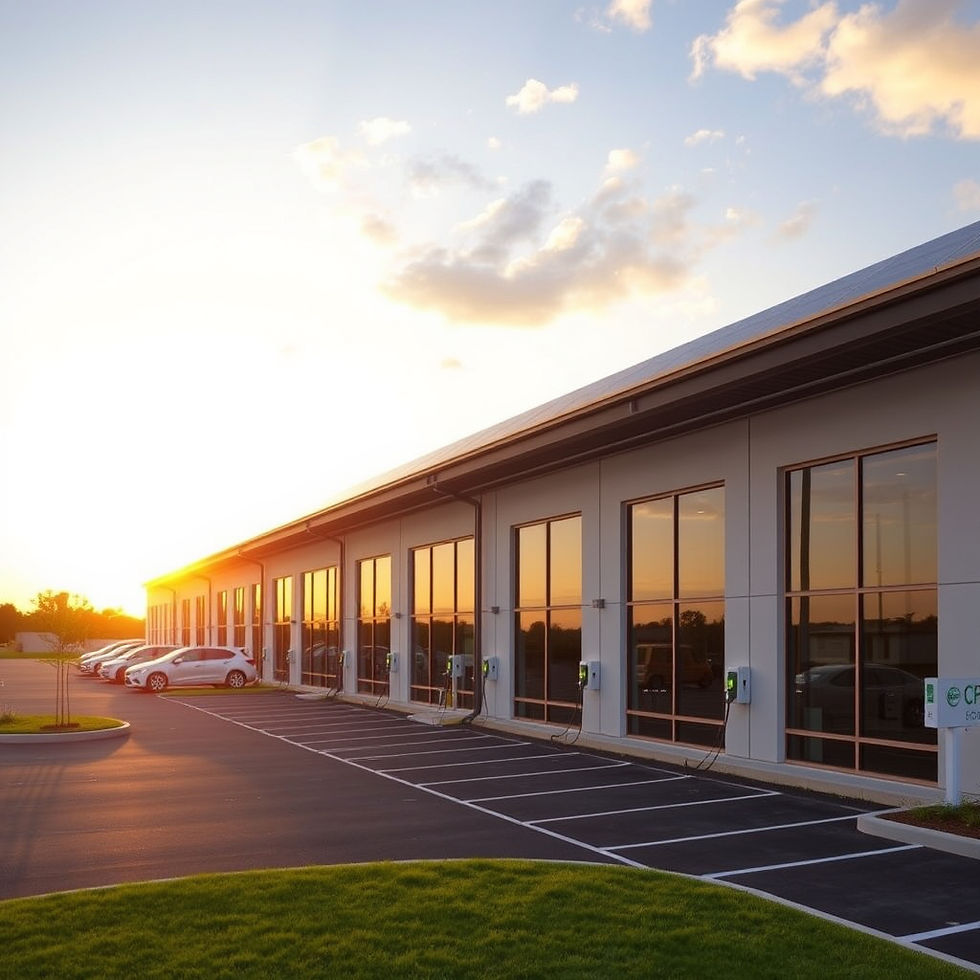
The way commercial buildings consume and manage energy is changing faster than ever before.
Rising energy costs, increasing demand on the electricity network, evolving sustainability targets and rapid advances in technology are all reshaping how organisations think about their buildings. Today's commercial properties are no longer expected to simply provide a place to work—they are expected to operate efficiently, support business growth and remain adaptable for decades to come.
Whether you're developing a new office, upgrading an industrial facility or managing a portfolio of commercial properties, the decisions made today will have a lasting impact on operational costs, building performance and long-term value.
Future-proofing isn't about predicting every technological development. It's about creating infrastructure that's flexible, scalable and ready to evolve as your organisation does.
At VECT Energy, we believe successful commercial buildings are built with tomorrow in mind.
Why Energy Infrastructure Is Changing
Historically, commercial electrical installations were designed to meet the immediate needs of a building.
Today, that approach is no longer sufficient.
Businesses are placing greater demands on their electrical infrastructure than ever before. Alongside traditional power requirements, modern buildings may also need to support:
Electric vehicle charging
Solar photovoltaic (PV) generation
Battery energy storage systems
Intelligent lighting controls
Building Management Systems (BMS)
Air source heat pumps
Smart security and access control
Occupancy monitoring
Data connectivity and automation
Each of these technologies can improve efficiency and reduce operating costs, but they also increase the importance of careful planning and integrated engineering.
Rather than viewing these systems as separate installations, organisations are increasingly recognising the value of designing them to work together as one connected infrastructure.
The Cost of Short-Term Thinking
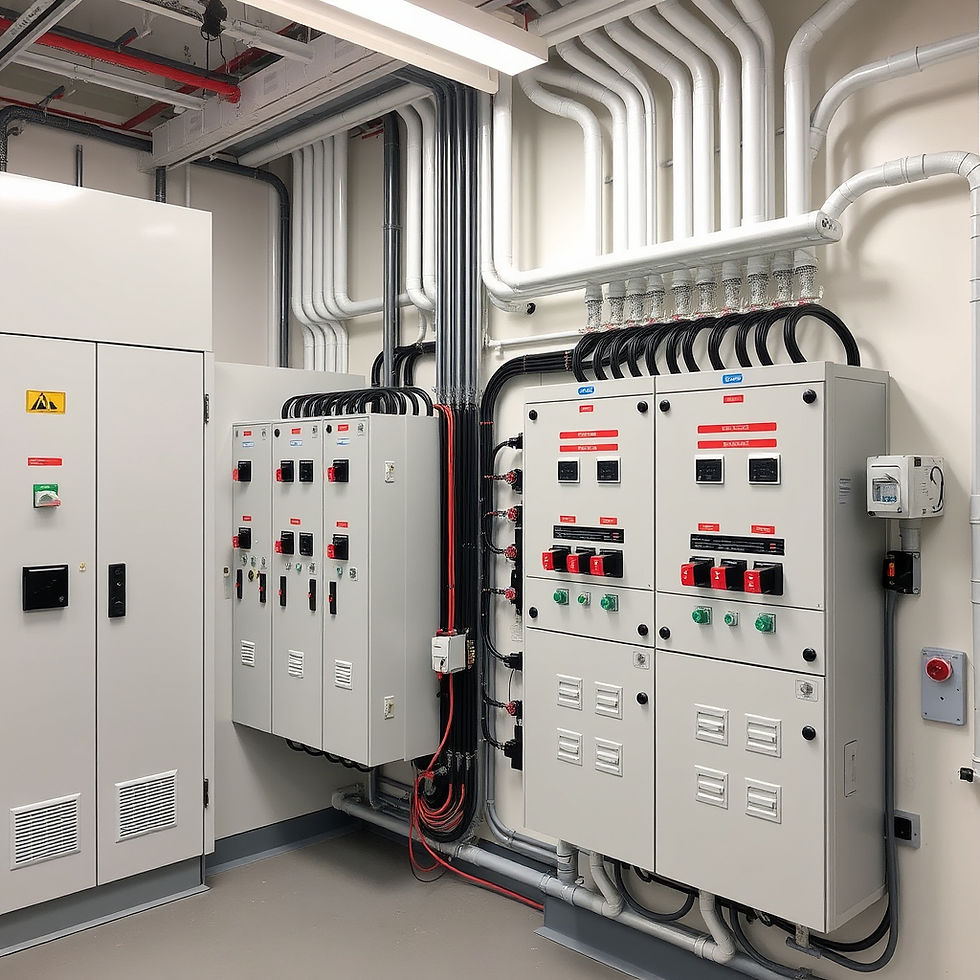
One of the biggest challenges facing commercial developments is underestimating future energy demand.
It's common for buildings to require significant electrical upgrades just a few years after completion because their original infrastructure wasn't designed with expansion in mind.
Examples include:
Additional office space requiring increased electrical capacity
Installation of EV charging facilities
Transition from gas heating to electric heat pumps
Expansion of manufacturing equipment
Increased server and IT loads
Renewable energy integration
Retrofitting these systems later often involves disruption, additional cost and unnecessary complexity.
By contrast, investing in flexible electrical infrastructure during the initial design or refurbishment phase can significantly reduce future project costs while allowing businesses to adapt as technologies evolve.
Future-ready infrastructure isn't about overspending—it's about making informed decisions that protect long-term investment.
Renewable Energy Is Becoming Part of Everyday Infrastructure
Renewable technologies are no longer considered specialist additions.
Increasingly, they're becoming a standard part of modern commercial developments.
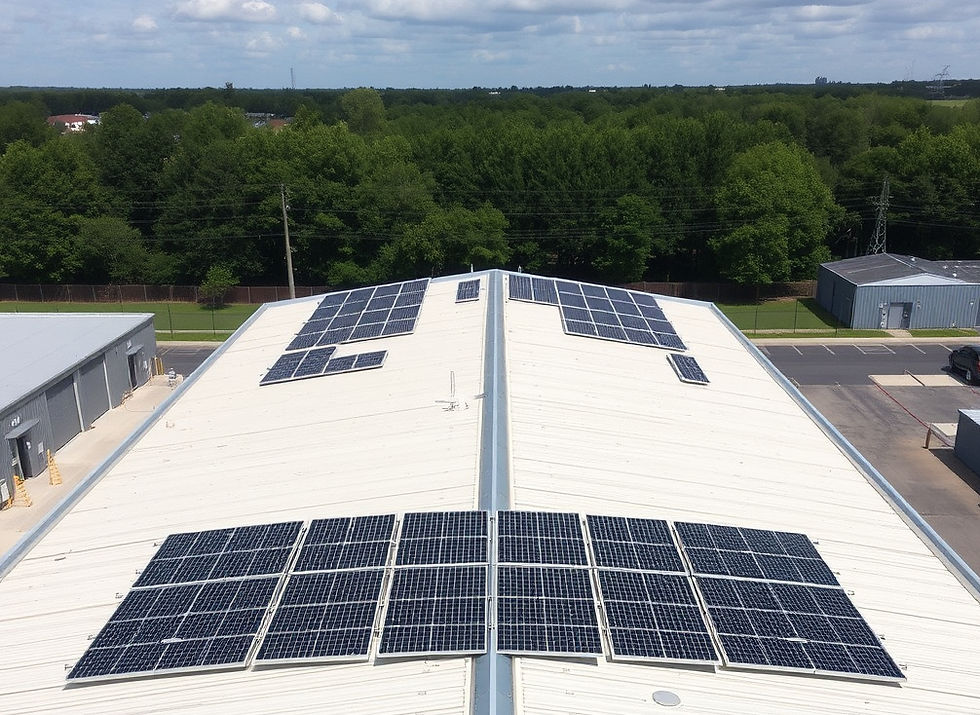
Solar photovoltaic systems, in particular, have become an attractive option for businesses seeking to reduce operating costs and improve energy resilience.
For many commercial buildings, large roof areas provide an ideal opportunity to generate electricity directly on site.
Combined with battery storage, organisations can:
Reduce reliance on imported electricity
Store excess solar generation
Improve resilience during periods of peak demand
Better manage energy costs throughout the day
As electricity prices continue to fluctuate, generating and managing energy locally is becoming an increasingly valuable part of commercial infrastructure planning.
Battery Storage: More Than Backup Power
Battery storage has evolved considerably in recent years.
While traditionally associated with backup power, modern battery systems now play an important role in energy management.
Commercial battery systems can help businesses:
Store excess renewable generation
Reduce peak electricity demand
Improve energy resilience
Support business continuity
Prepare for future energy markets
As battery technology continues to develop, it is expected to become an increasingly common component of commercial electrical infrastructure.
For organisations planning new developments or major refurbishments, ensuring infrastructure can accommodate future battery systems may prove to be a valuable long-term decision.
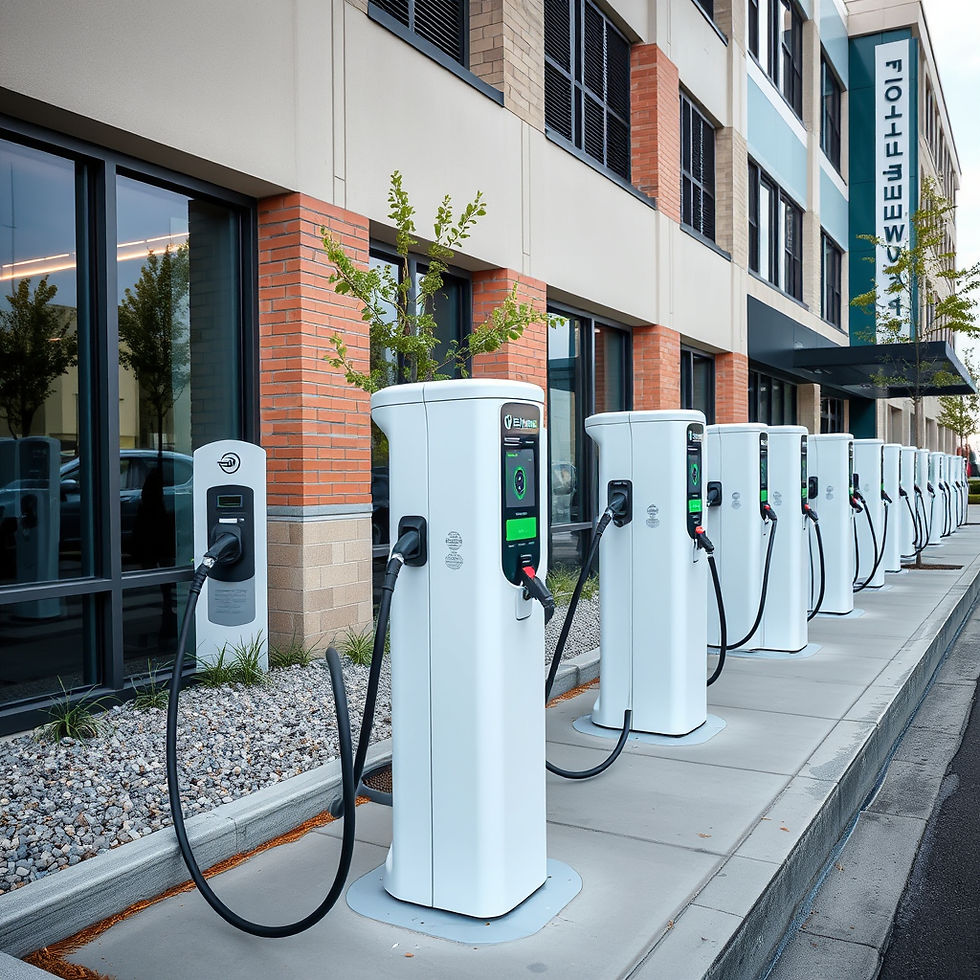
Preparing for the Growth of Electric Vehicles
The transition towards electric vehicles continues to accelerate.
For commercial property owners, this presents both an opportunity and a responsibility.
Employees, customers, tenants and fleet operators increasingly expect convenient access to charging infrastructure.
However, installing chargers isn't simply about mounting equipment on a wall.
Successful EV infrastructure requires consideration of:
Electrical capacity
Distribution design
Load management
Future expansion
Parking layouts
User accessibility
Integration with renewable energy
Planning for EV charging during a development is typically far more straightforward than retrofitting infrastructure years later.
As vehicle adoption continues to increase, buildings prepared for electrified transport will be better positioned to meet changing expectations.
Intelligent Buildings Deliver Long-Term Value
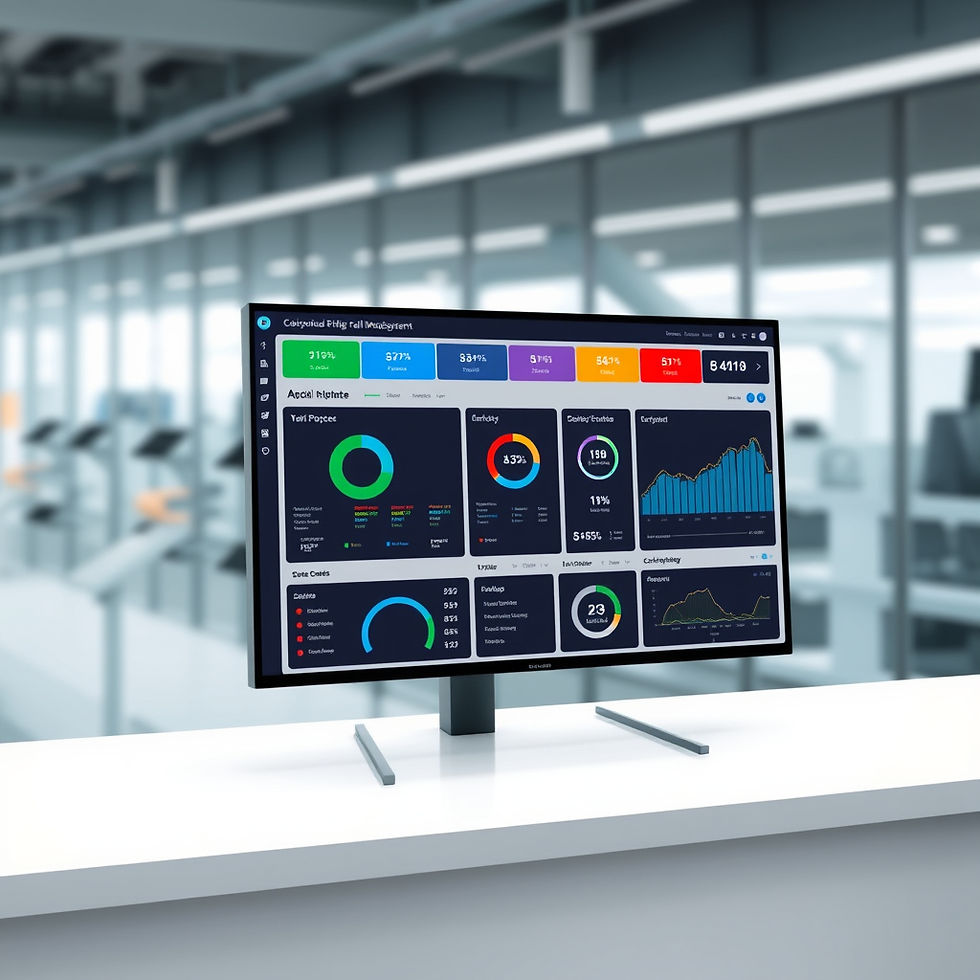
Technology is transforming how commercial buildings operate.
Rather than functioning as isolated systems, lighting, heating, ventilation, security and energy management are increasingly being integrated into intelligent building platforms.
Smart buildings can provide valuable insights into:
Energy consumption
Occupancy patterns
Equipment performance
Maintenance requirements
Environmental conditions
Operational efficiency
This data enables organisations to make better-informed decisions, improve occupant comfort and reduce unnecessary energy consumption.
Importantly, intelligent buildings also support preventative maintenance by identifying issues before they develop into costly failures.
Compliance and Sustainability Go Hand in Hand
Regulatory expectations surrounding commercial buildings continue to evolve.
While compliance remains essential, many organisations are now looking beyond minimum standards.
Environmental, Social and Governance (ESG) commitments, sustainability reporting and carbon reduction strategies are influencing investment decisions across multiple sectors.
Energy-efficient buildings can support organisations by:
Reducing operational emissions
Improving Energy Performance Certificate (EPC) ratings
Supporting corporate sustainability objectives
Enhancing property value
Improving tenant appeal
For many businesses, investing in efficient electrical infrastructure is no longer solely about compliance—it's becoming part of wider organisational strategy.
Future-Proofing Is About Flexibility
No one can predict exactly how commercial energy systems will evolve over the next twenty years.
However, one principle remains consistent:
Buildings that are designed with flexibility are better positioned to adapt.
This may include:
Providing spare electrical capacity
Designing distribution systems for expansion
Installing suitable cable containment
Planning communications infrastructure
Allowing space for future plant
Integrating intelligent monitoring from day one
These decisions often require relatively modest investment during construction but can deliver substantial savings throughout the building's lifecycle.
Future-proofing isn't about installing every available technology today—it's about ensuring tomorrow's technologies can be incorporated efficiently when the time is right.
Looking Ahead
Commercial buildings are entering a new era.
Energy generation, storage, automation and intelligent infrastructure are becoming increasingly interconnected, changing the way organisations design, operate and manage their properties.
Businesses that invest in adaptable infrastructure today will be better placed to respond to technological change, improve operational efficiency and support future growth.
At VECT Energy, we believe successful engineering goes beyond today's requirements. It means designing systems that continue to deliver value for years to come.
Whether supporting a new commercial development, upgrading existing infrastructure or exploring renewable energy opportunities, our focus is on creating integrated engineering solutions that are built for the future.
Conclusion
Preparing commercial buildings for the future isn't about chasing trends—it's about making informed engineering decisions that provide lasting value.
By considering energy infrastructure as a connected system rather than a collection of individual technologies, organisations can improve resilience, reduce long-term costs and create buildings ready to meet tomorrow's challenges.
As the pace of change continues to accelerate, thoughtful planning today can make all the difference tomorrow.


Comments